The Best Global Cities To Find Work in Oil and Gas
19 Aug, 20268 mins
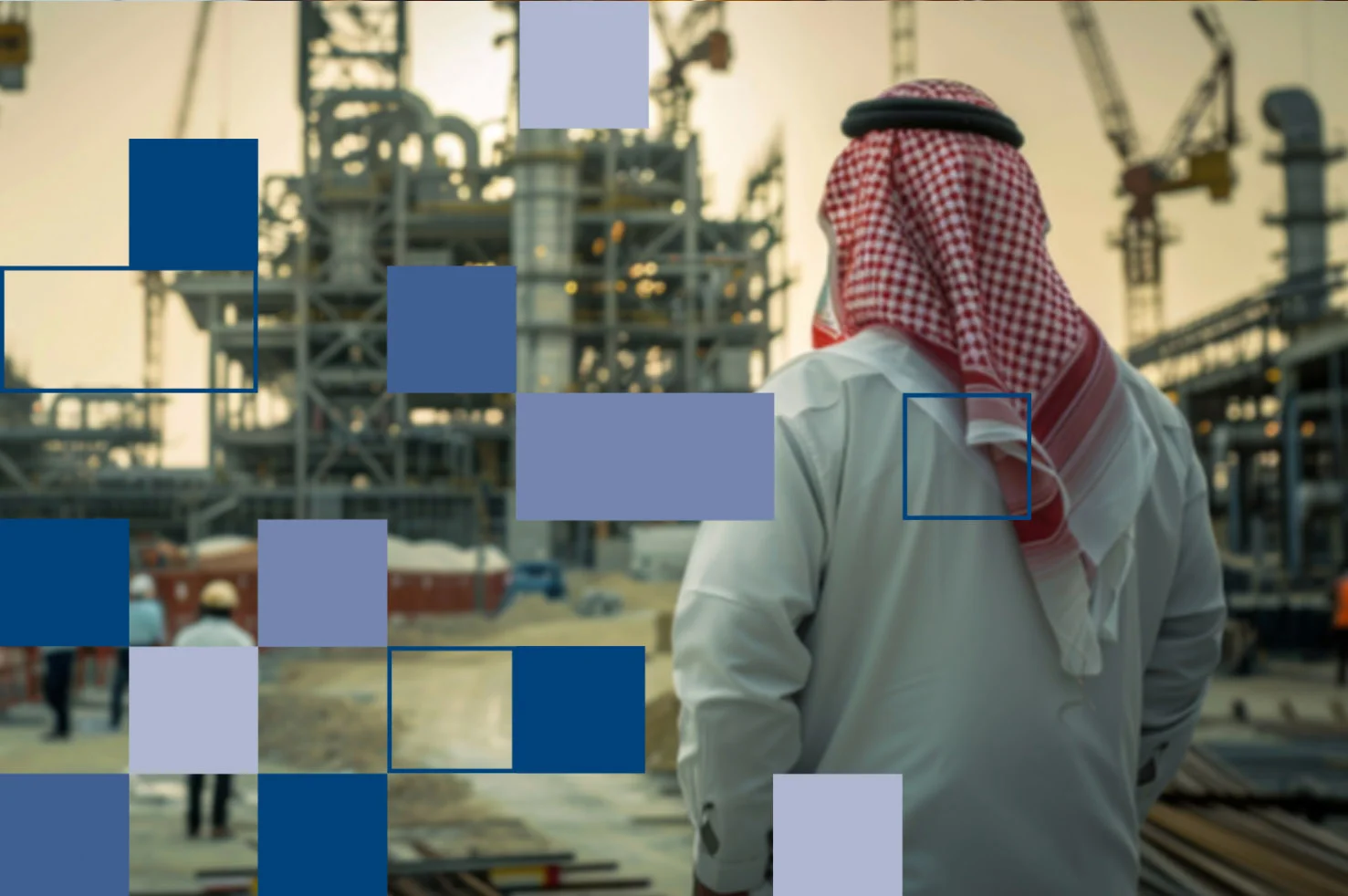
In the oil and gas industry, there are a tremendous number of opportunities to work in a variety of locations around the world due to the global expansion of the industry over the years. From the ‘Energy Capital of the World’ in Houston and Aberdeen, the ‘European Energy Capital’, to growing new frontiers in oil and gas exploration in countries like Azerbaijan, Guyana, and Namibia, you can be on the opposite side of the planet and in a completely different culture.
As an oil and gas contractor, with contracts being on average between 6 and 12 months, not including extensions, they have the opportunity to go where the next project is, which means they can end up anywhere.
Oil and gas contractors often build careers that take them across continents, moving between offshore platforms, remote onshore fields, LNG facilities, and major energy hubs as projects demand specialised skills in different regions. This global mobility means opportunities can arise almost anywhere, from established production basins to emerging markets investing heavily in new infrastructure and projects.
With that in mind, the following list highlights (in no particular order) some of the key oil and gas locations around the world Orion is witnessing where contractors are most likely to find ongoing work and new opportunities.
Houston, US
Houston is still the "Energy Capital of the World" due to its unrivalled concentration of over 4,700 energy firms, top-tier infrastructure, and skilled workforce. It dominates both traditional oil and gas sectors and emerging clean-tech, making it the vital global hub where energy gets engineered, financed, and deployed.
Advantages:
Biggest range of oil and gas employers, strong career mobility, and access to corporate, trading, and technical roles.
Disadvantages:
Competitive market, heavy industry concentration, and less specialism in offshore compared with some other hubs.
The Orion perspective:
LNG continues to move at a pace, and Upstream hiring continues to be closely tied to oil price fluctuations, while Downstream and Midstream are more consistent. Investment into oil and gas and green energy resources changes depending on the administration, so can be unpredictable, but Houston itself continues to be central to the global energy conversation.
Contact our US team.
Midland, US
Midland, Texas is an essential global energy capital because it sits at the exact epicentre of the Permian Basin, one of the most productive onshore oil and natural gas regions in the world.
Advantages:
Fast access to field experience, strong upstream activity, and quicker responsibility.
Disadvantages:
Hotter climate, fewer lifestyle amenities than larger cities, and more cyclical job conditions.
The Orion perspective:
With recent geopolitical events around the world, the Permian Basin has seen production efforts ramp up in order to boost output. While it might not bring down gas prices overnight, the Midland area itself brings lucrative opportunities focused on infrastructure expansion, technology integration, emissions management, and automation, making it a critical part of the US’ oil and gas security.
Contact our US team.
Calgary, Canada
Calgary is the undisputed energy capital of Canada because it serves as the corporate, financial, and innovation hub for the country's vast oil and gas reserves in Alberta. The city drives national economic strength, generates major global investment, and is pioneering sustainable clean technology to lead the net-zero energy transition.
Advantages:
Good HQ environment, balanced corporate and technical opportunities, and a strong energy-sector ecosystem.
Disadvantages:
Smaller market than Houston, with fewer total employers and less global scale.
The Orion perspective:
While there is currently a slowing of the Canadian economy, the oil and gas sector is still strong while operators are more selective when it comes to what projects get the green light, with LNG expansion increasing in the west. While Edmonton is often referred to ‘the Oil Capital of Canada’, it’s Calgary that’s the corporate and financial capital of the Canadian oil industry, hosting the headquarters for the vast majority of Canada's oil and gas exploration and production companies.
Contact our Canada team.
Aberdeen, UK
Aberdeen is the energy capital of Europe because it combines half a century of North Sea oil and gas expertise with a massive push into renewable energy. As the base for Great British Energy, it leverages an extensive offshore supply chain to lead the global shift toward a net zero future.
Advantages:
Strong offshore expertise, established UK energy network, and relevant experience in North Sea work.
Disadvantages:
More limited long-term growth, fewer large-scale expansion opportunities, and a mature basin.
The Orion perspective:
While the main operators are restructuring portfolios, private equity-backed independents are entering the basin, and joint ventures are becoming more common. Despite the slow down in growth over the years, there are still major opportunities in Aberdeen for offshore expertise and technical and engineering skills – making Aberdeen still one of Orion’s busiest oil and gas recruitment locations.
Contact our Aberdeen team.
Abu Dhabi, UAE
Abu Dhabi holds roughly 8% of the world's proven crude oil reserves and manages one of the highest daily production capacities. Through the Abu Dhabi National Oil Company (ADNOC), the emirate ensures global supply stability while investing heavily to diversify its future portfolio through major renewable and nuclear investments.
Advantages:
Attractive pay packages, major project work, and strong international growth prospects.
Disadvantages:
Can be more competitive for entry, and the market may be less familiar if you want UK-style career paths.
The Orion perspective:
We see the UAE as a standout destination for oil and gas professionals, offering tax-free earnings, world-class infrastructure, and the opportunity to work on some of the industry’s most ambitious energy projects. Combined with a high standard of living and international career exposure, it’s an environment where talent can truly thrive.
Contact our UAE team.
Doha, Qatar
Doha is a globally vital energy capital primarily because it serves as the command centre for Qatar, which holds the world's third-largest natural gas reserves and is a top global exporter of liquefied natural gas (LNG).
Advantages:
Strong LNG and gas-driven market, large national energy employer base, and access to major regional projects.
Disadvantages:
Heavy dependence on hydrocarbons, fewer roles outside the energy sector, and career options can be concentrated in a small number of large employers.
The Orion perspective:
Renowned for being the world's largest exporter of LNG, and with further expansion planned, we are continually helping our clients there by providing them with the local technical and engineering talent required to reinforce Qatar and the capital, Doha, as the world leader in LNG production.
Contact our Qatar team.
Baku, Azerbaijan
Baku is a crucial global and regional energy capital due to its massive hydrocarbon reserves and pivotal role in supplying European energy security. By linking Central Asia to Western markets, it acts as a central nexus in both historic petroleum development and modern, diversified energy corridors.
Advantages:
Historic energy hub, strong oil and gas legacy, and still a major centre for Azerbaijan’s energy economy. It can offer exposure to large national projects and a market where oil and gas remain central to exports and government revenue.
Disadvantages:
The market is heavily tied to oil dependence, which can limit diversification and make careers more exposed to commodity cycles. The long-term growth story may be weaker than in faster-expanding hubs, and environmental and legacy-industry issues are part of the backdrop.
The Orion perspective:
The growth of our own team in Baku parallels the expansion and economic investment in oil and gas in Azerbaijan. With key players like bp in the area for over 30 years, they are committed to continuing the growth and prosperity across the region, with Baku as the main economic and financial hub.
Contact our Azerbaijan team.
Maputo, Mozambique
Maputo serves as the political, financial, and logistical hub for Mozambique's expanding natural resource boom. The city drives major multi-billion-dollar liquefied natural gas (LNG) megaprojects in the Rovuma Basin, oversees a massive regional power grid, and coordinates critical international energy exports.
Advantages:
Biggest business hub in Mozambique, with port access and links to national infrastructure, so it can suit logistics, commercial, and support roles for the growing LNG sector.
Disadvantages:
It is not the main upstream oil and gas center from a technical and engineering perspective, since much of the sector’s activity is tied to northern projects and offshore developments.
The Orion perspective:
As global demand for energy continues to grow, Mozambique is positioning itself as a major LNG hub. Significant investment, led by operators such as TotalEnergies, is driving the next phase of development. For professionals across oil and gas, this presents a unique opportunity to be part of something both technically challenging and globally important.
Contact our Mozambique team.
Muscat, Oman
Muscat serves as the strategic heart of the Middle East's largest non-OPEC oil and gas producer. As Oman's administrative capital, the city directs a multi-billion dollar national energy portfolio while also driving ambitious green hydrogen initiatives.
Advantages:
Good for Oman-focused oil, gas, and EOR work, with exposure to technically challenging mature fields and LNG activity.
Disadvantages:
Smaller market than Gulf hubs like Doha, more limited long-term growth, and a narrower set of employers.
The Orion perspective:
For the right people, there are encouraging signs of growth in Oman in general, with the Omani Oil & Gas sector continuing to attract investment and partnerships, positioning itself as a key player in the Middle Eastern energy landscape, with a focus on expanding both onshore and offshore exploration, with a focus on a nationalised workforce.
Contact our Oman team.
Kampala
Uganda is emerging as a significant player in the oil and gas sector due to the discovery of an estimated 6.5 billion barrels of crude oil in the Albertine Graben region, with up to 1.4 billion barrels classified as recoverable. Supported by over $20 billion in foreign investments, Kampala is the nerve centre for two mega-projects: the Tilenga and Kingfisher extraction projects, and the export pipeline.
Advantages:
Global majors like TotalEnergies and the China National Offshore Oil Corporation (CNOOC) are executing multi-billion-dollar projects at the Tilenga and Kingfisher oil fields, with hundreds of production wells drilled.
Disadvantages:
Kampala will be dependent on outside operators initially, risking inequality, environmental damage, and political conflict if not managed correctly.
The Orion perspective:
Significant upstream investment in Uganda are helping to unlock vast natural gas resources while supporting long-term global energy security, making Uganda one of Africa’s fastest-growing energy markets, attracting international investment and creating growing demand for experienced oil and gas and LNG professionals.
Contact our Uganda team.
In Summary
The oil and gas industry offers contractors a uniquely global and mobile career path, with opportunities spanning established energy capitals and fast-growing emerging markets. From mature hubs like Houston, Aberdeen, and Calgary to rapidly developing regions such as Mozambique and Uganda, each location presents its own mix of advantages, challenges, and specialisms.
Ultimately, where professionals choose to work will depend on their skills, career goals, and appetite for mobility. While some regions provide stability and corporate infrastructure, others offer high-growth potential and exposure to large-scale projects. For contractors in particular, the ability to move between these markets is a major advantage, enabling them to build diverse, international experience while staying aligned with shifting global energy demand.